


A Normobaric Hypoxic (or normal air pressure low oxygen) environment in the case of a normal fire, say a Hydrogen fire in a Nuclear Reactor Building and its surrounding areas will disallow any blaze in Nuclear Reactors from getting out of hand.
If however a nuclear incident does happen, such an environment would help protect fire fighters from radiation to an extent. In fluid environments such as air or water, hypoxia is shown to reduce the absorption of radioactive emissions. This is most evident at lower radiation doses, while at very high radiation doses, the protection imparted from hypoxia is lesser but still evident. In the event of an emergency, the environment could be made selectively hypoxic post-evacuation and that firefighters are supplied with an independent and shielded oxygen supply.
This hypoxic environment will protect the firefighters from radiation atleast to an extent, hopefully, the oxygen scrubbers would not be destroyed. For catastrophic explosions, the concrete itself could act as an absorber of Oxygen from the air, if it is specially made for this purpose.
At higher radiation doses any which ways, the emergency response would for a long time be from a distance, for the most part (with extensive protection).
This Normobaric Hypoxic environment would be recommended for low level likes or conventional fires and not for the large disruptions seen at Chernobyl, Fukushima, Kyshtym, etc.
For example, augmentations made to nuclear reactors would allow flooding the reactor with a dense and inert gas like Argon, which would flood the reactor, snuffing out any fires and providing a good barrier against fission byproducts/radiation post-evacuation (to prevent suffocation). Even in the face of catastrophic failure, which is much rarer now, due to much better and modular reactor design and protective enclosures around the fissile material, the dense Argon layer would allow atleast some protection against lethal radiation, specially to those alive closest to the core.
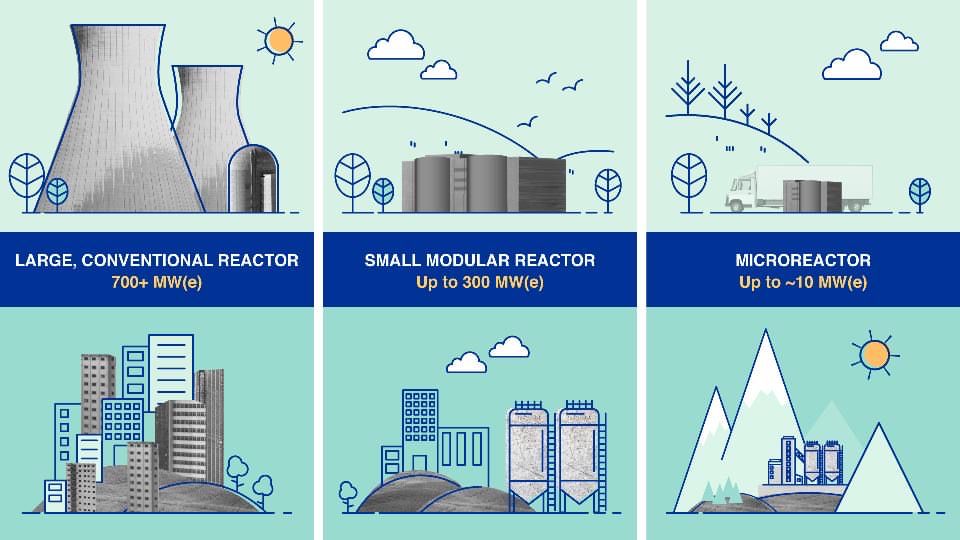
Modern 4th Gen and potential 5th Gen Nuclear Reactors will have extensive safety, beyond what we have today, whereas today we can have reactors controlled by students in Universities and fission moderation without water (that is the reactor does not require water to control the fission reactions), future reactors maybe small, far more modular devices enclosed with Argon gas and maybe fill up Nuclear Parks (like industrial and office parks) which provide ultra-save, decentralized, energy-dense, inexpensive, supercriticality proof and with minimal radioactive waste (using the lessons learnt from breeder reactors and others).
The safety profile of nuclear reactors is almost complete, and we are at the cusp of mass-producing safe and inexpensive nuclear energy, after many years of research and development.

